
30 October 2026
FILM CLUB: What Makes a Horror Film Truly Terrifying?
It's HALLOWEEN. The one night of the year when willingly being scared out of your mind counts as a lovely evening in. Why do we do it? And why do some films stay with us for YEARS?
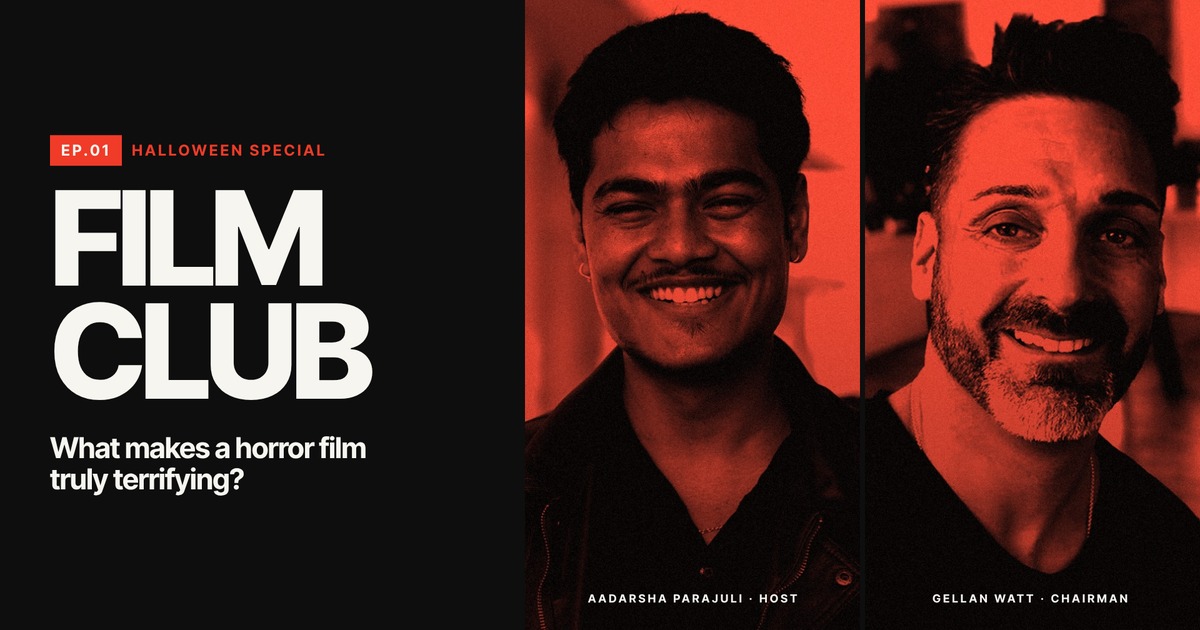
For this edition of FILM CLUB, we sat down with our Chairman, Gellan Watt, and film student Aadarsha Parajuli, who's currently on placement with us. Gellan and Aadarsha came armed with a love of the classics.
The question was simple: what actually makes a horror film GREAT?
It's not the blood count or the budget. And it's certainly not how loudly somebody can make you jump out of your seat. The best horror gets into your head and refuses to leave.
The scariest thing? Your imagination.
The most effective horror starts with STORY. Give us people to care about, a place that feels real, and just enough information to know something dreadful is coming. Then make us WAIT.
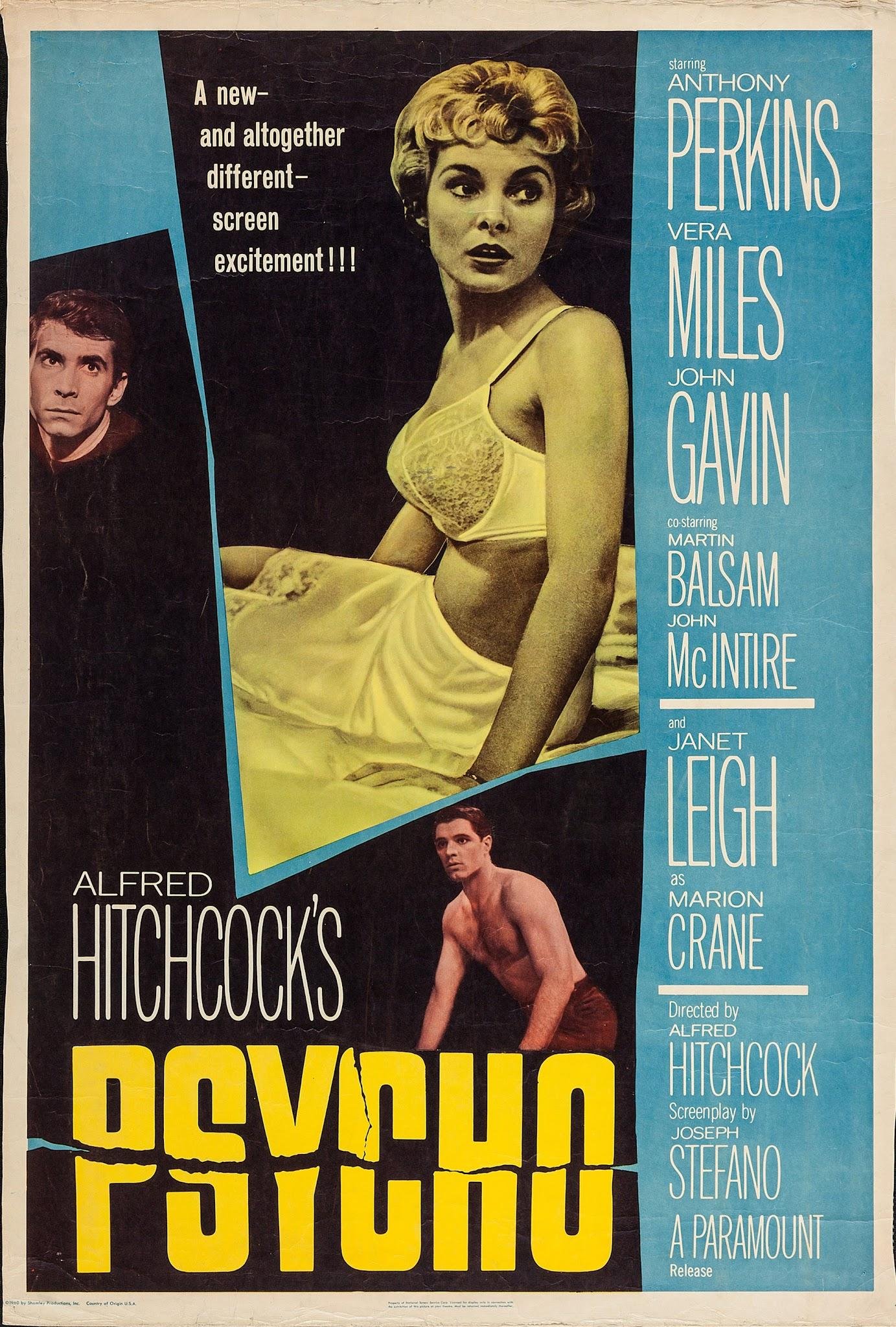
Alfred Hitchcock understood this. In Psycho, a perfectly ordinary location becomes unbearable because of what we suspect might happen. The camera, the editing and Bernard Herrmann's shrieking score do the frightening long before the violence itself.
The Blair Witch Project takes almost the opposite approach: show very little, strip away the certainty, and allow the audience to invent the monster. Two completely different techniques. One shared trick: the picture in your HEAD is often worse than anything on the screen.
A jump scare lasts a second. The feeling that something is waiting just outside the frame can follow you home. That's the real magic.
When the monster looks real
John Carpenter's The Thing is a masterclass in making a monster matter. Its gloriously grotesque practical effects are remarkable, but it's the paranoia that really makes the film work. When nobody can trust anybody, every conversation becomes a threat.
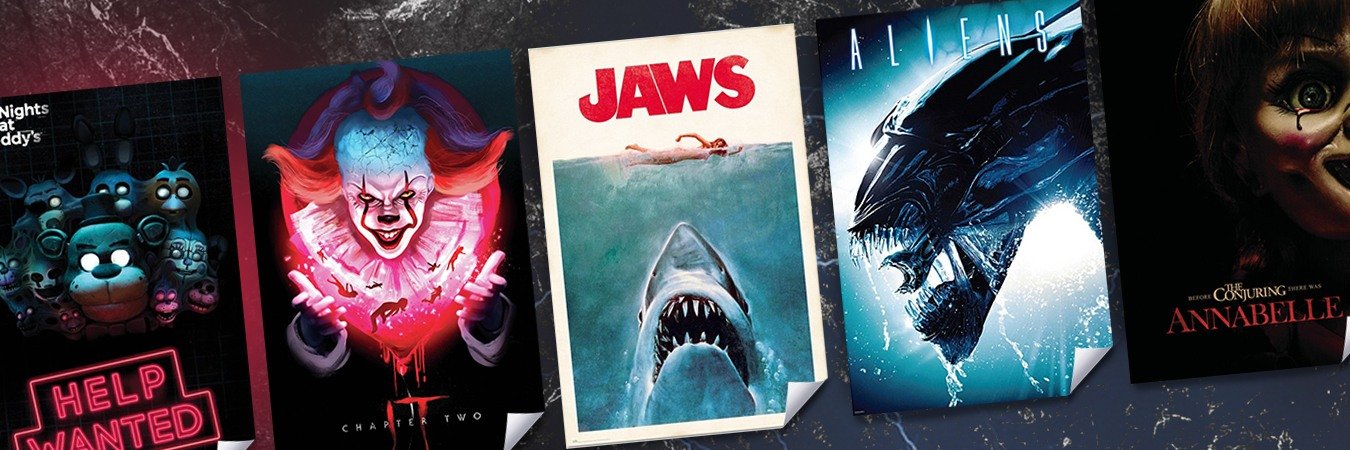
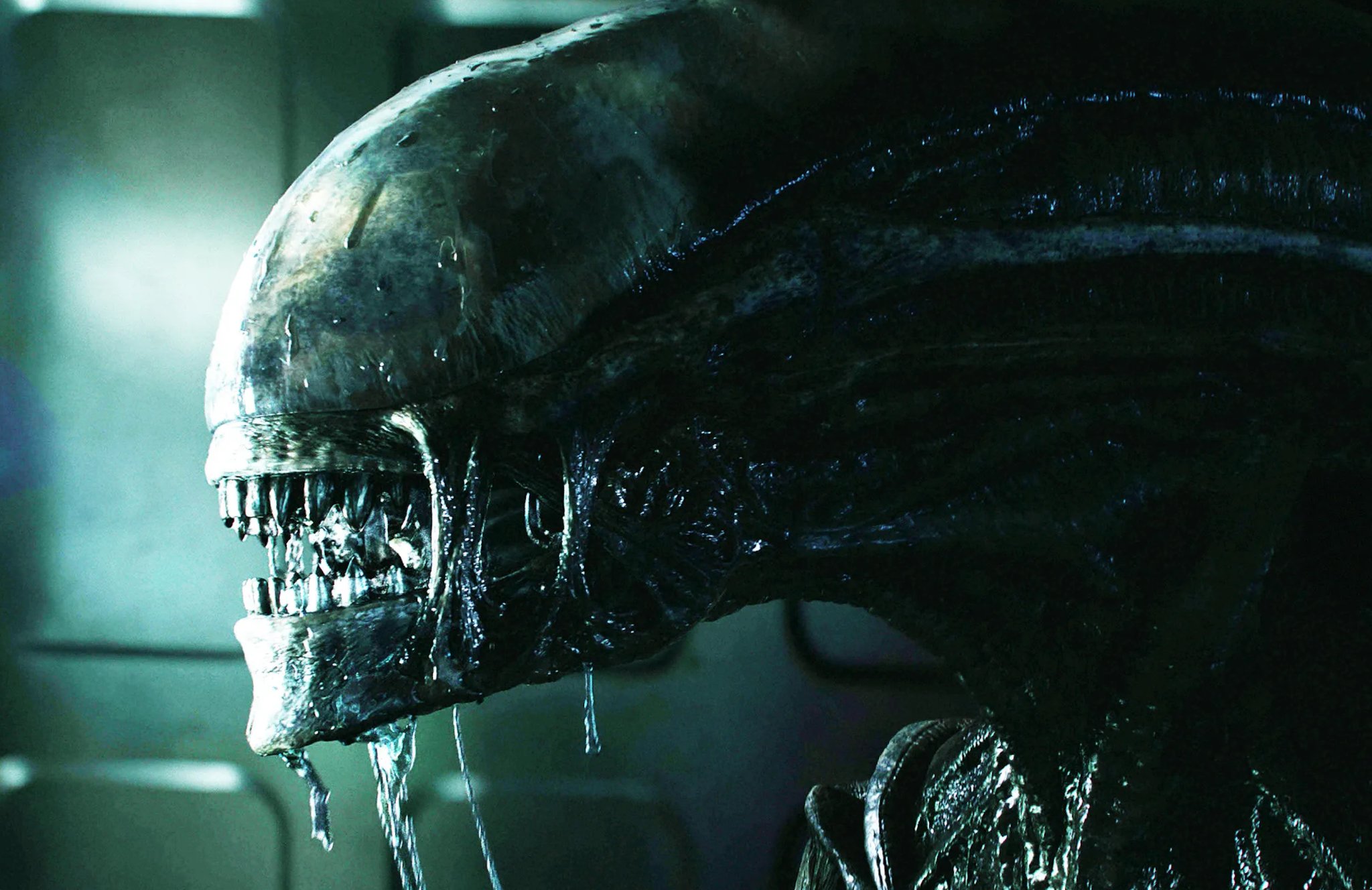
Then there's Alien. One creature. One spaceship. No easy escape. Ridley Scott makes the Nostromo feel like a working environment rather than a gleaming sci-fi fantasy, which only makes its dark corridors more frightening. The famous chestburster scene shocks because the film has already made us believe in the people around that table.
Some of the effects are nearly half a century old. The fear isn't.
And if practical monsters aren't your thing, Annabelle proves that sometimes all you need is a creepy doll sitting perfectly STILL. You know it shouldn't move. You spend the entire scene waiting for it to move. Horrible. Brilliant.
New nightmares, old fears
Horror has never been just about monsters. Candyman digs into urban myth, identity and the stories communities tell themselves. The original and the 2021 film approach that mythology differently, and both give you plenty to think about. Filmmakers like Robert Eggers show how period detail, performance and atmosphere can be every bit as disturbing as a monster in full view.
Then there's Coraline. Beautiful stop-motion, tiny unsettling details and a world that looks almost welcoming. Almost. It's a reminder that animation can be every bit as frightening as live action. Sometimes more so.
The Substance goes in the opposite direction. Big, outrageous, disgusting and very funny in places. Yet underneath all that body horror is a sharp idea about beauty, ageing and the impossible standards we put on ourselves. Without the idea, it's just gore. With it, you have something people will argue about long after the credits.
And Stephen King's Carrie shows why a great horror story can be retold for a new generation. Bullying, isolation and the desperate wish to fit in are frighteningly human, even before the supernatural elements arrive. Mike Flanagan's new television adaptation brings those fears back into focus.
The thing you hear before you see
Think of the two-note warning in Jaws. The hums, rattles and alarms in Alien. Or the uncomfortable soundscape of Jordan Peele's Us. Three very different films, each showing how much terror can arrive through your ears before your eyes have caught up.
Horror filmmakers can make us scan an otherwise empty frame simply by putting a noise somewhere off-screen. Silence can be just as effective. Remove the sound, and a frightening scene can suddenly feel rather ordinary.
At Film Punks, this is the bit we love. Every creative decision changes how an audience feels. The framing. The edit. The performance. The sound. And, sometimes, the decision to show absolutely NOTHING.
You don't always need to show the monster. Sometimes a creaking floorboard will do.
FILM CLUB's top 10 horror films of all time
Our Halloween watchlist mixes the films we discussed with a few proper fright-night favourites. It's a Film Punks list, not a critics' consensus. And yes, Annabelle really is at number three.
1. Psycho (1960): Hitchcock proves that anticipation is everything.
2. Alien (1979): Claustrophobic, brilliantly made, still terrifying.
3. Annabelle (2014): One creepy doll, relentless tension and some seriously terrifying scares.
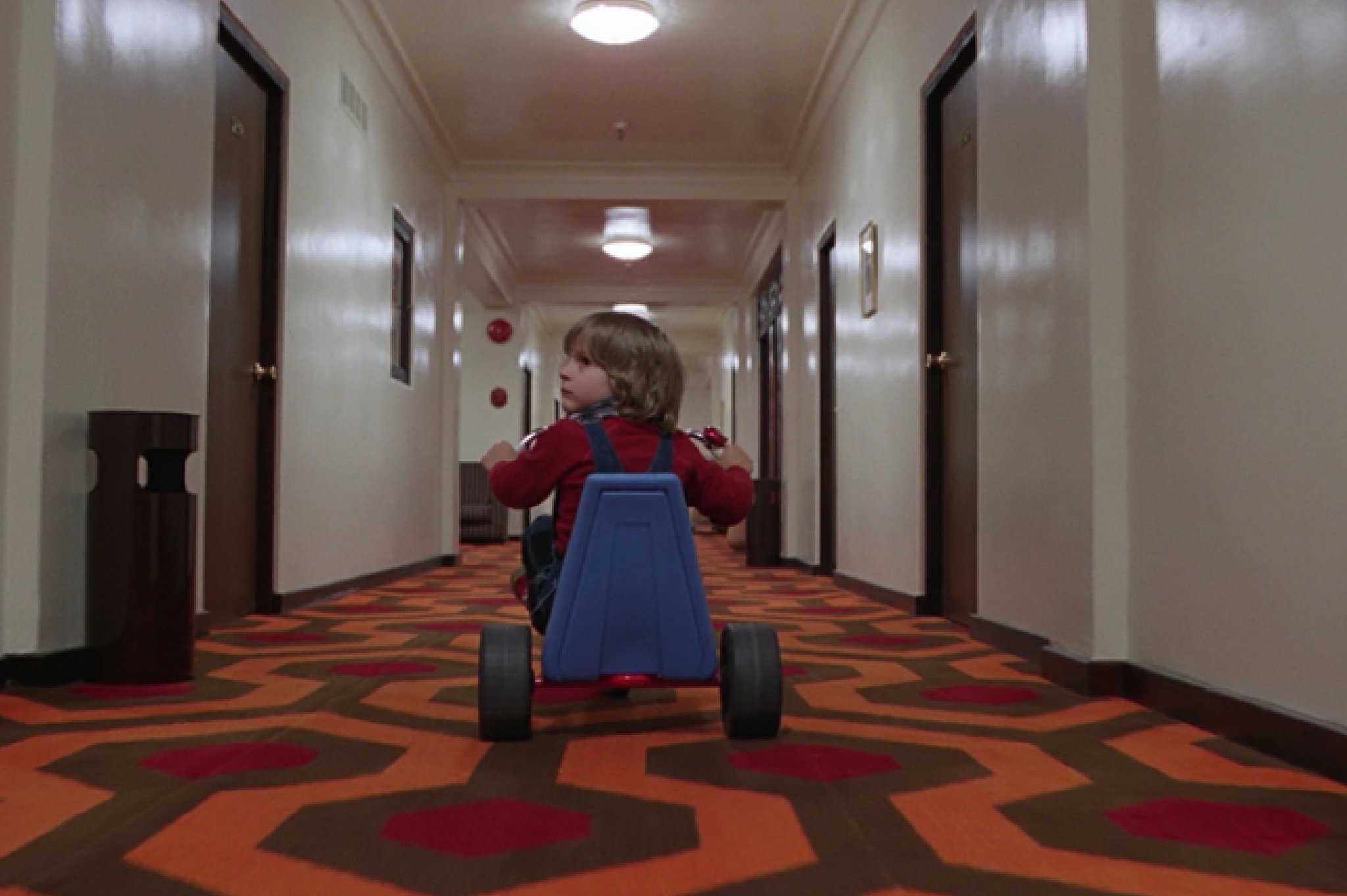
4. The Shining (1980): Kubrick's hotel nightmare. Every corridor feels WRONG.
5. The Exorcist (1973): An unsettling classic that refuses to age quietly.
6. Night of the Living Dead (1968): Romero's groundbreaking zombie nightmare, with real social bite.
7. Dawn of the Dead (1978): Zombies, shopping malls and a wickedly sharp take on consumerism.
8. The Thing (1982): Practical effects at their gloriously grotesque best.
9. Candyman (1992): A haunting villain and a mythology that stays with you.
10. The Blair Witch Project (1999): Proof that what you don't see can be worse.
Some are cinematic masterpieces. Others simply scare the life out of us. That's half the fun. What would YOU put at number one?
That, for us, is why horror is worth celebrating. Great filmmaking makes you FEEL something. Sometimes wonder. Sometimes joy. And sometimes the overwhelming urge to check behind the sofa.
The best horror doesn't end when the credits roll. It follows you into the hallway, up the stairs and all the way to bed.
That's FILM CLUB.
Happy Halloween from all of us at Film Punks!