 by filmpunks
Punks @ La Rochelle
6 min read. Film Punks head to La Rochelle for classic Hollywood, German Expressionism, Jacques Tati, contemporary discoveries and an essential dose of French cinema.
Punks @ La Rochelle
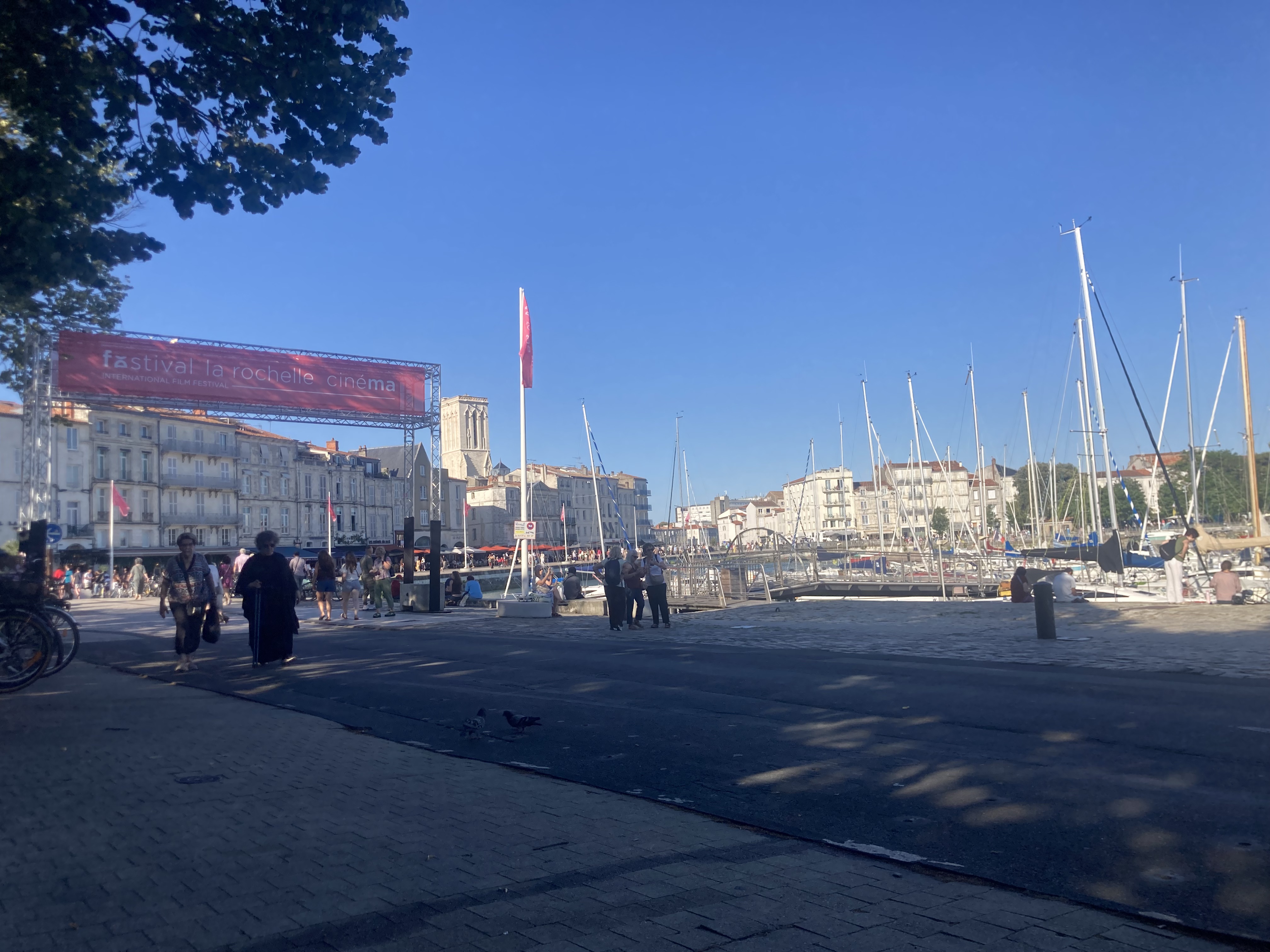
The Festival La Rochelle Cinéma was founded in 1973 by the critic, historian and programmer Jean-Loup Passek.
Unlike many other film festivals, Fema remains proudly non-competitive. It is fully dedicated to bridging film history with contemporary cinema, without prizes, juries or the usual red-carpet hierarchy.
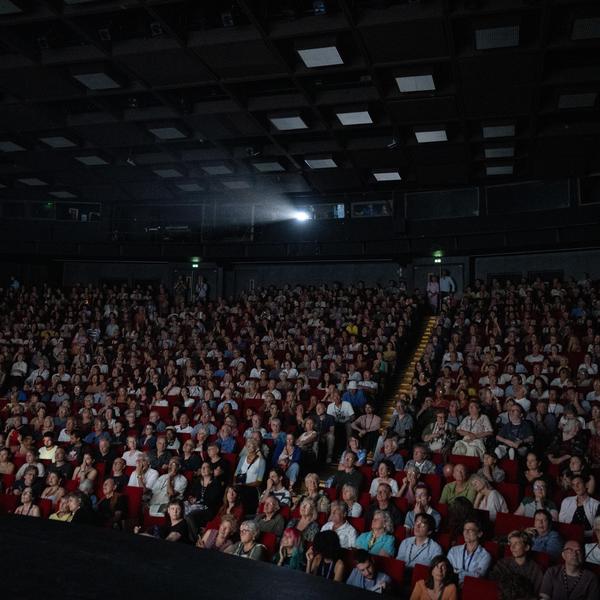
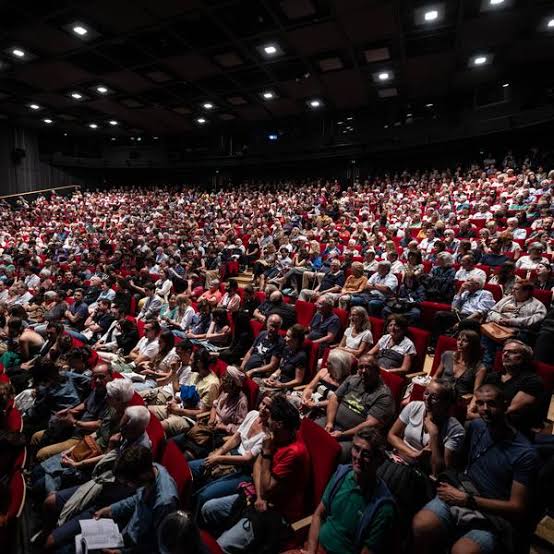
Its audience is made up of “those wonderful people out there in the dark” that Norma Desmond seeks to leave in awe.
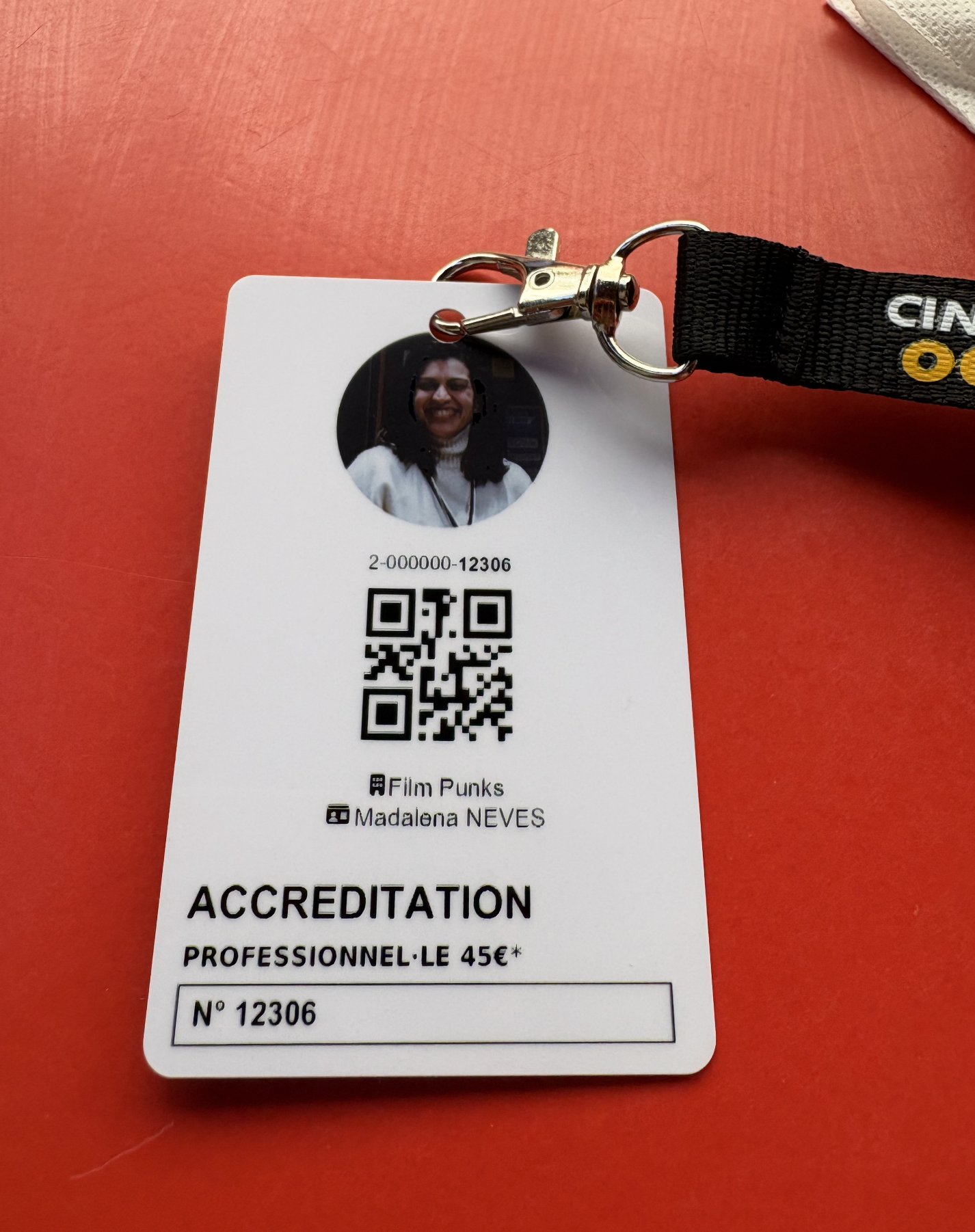
In through the front door.
A professional pass, an overambitious programme and far more films than anyone could reasonably watch in one visit.
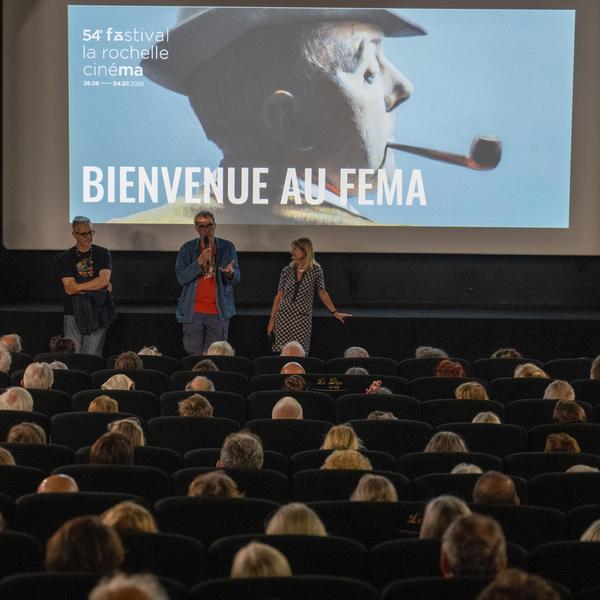
Old Hollywood, back on the big screen.
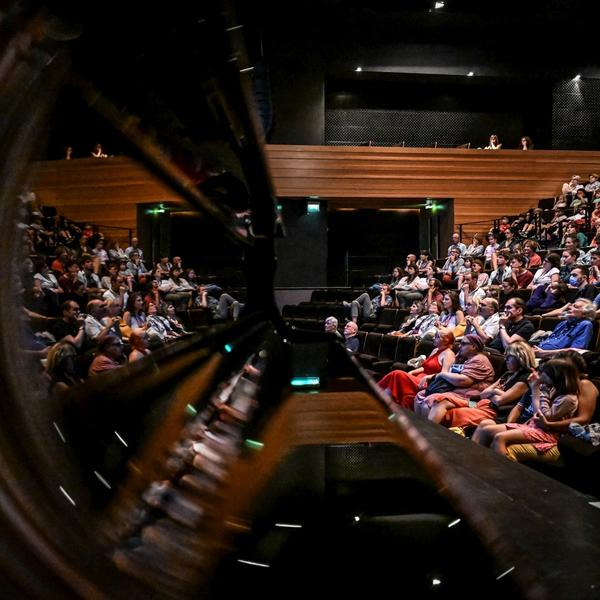
Our first stop was Billy Wilder’s 1950 noir classic, Sunset Boulevard.
Enough has already been written in praise of the film, but it remains a near-perfect demonstration of what cinema can achieve. From its enticing story and witty dialogue to its layered performances, watching it on the big screen was an unmissable opportunity.
Further back. All the way to silence.
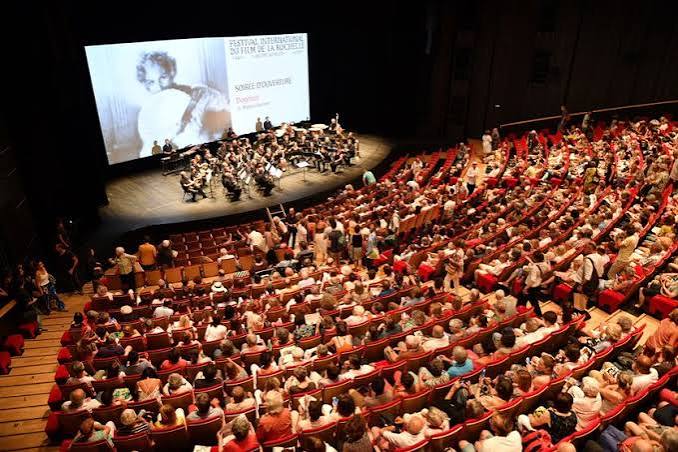
After leaving Classical Hollywood behind, we travelled further back in time to a screening of Faust, accompanied by a live concert.
It is a true gem of German Expressionism, with astonishing camerawork that left us guessing how certain shots had been achieved in the 1920s.
Summertime with Jacques Tati.
To lighten the mood, and because it was summertime, the festival offered a retrospective of Jacques Tati’s filmography.
His film Playtime delivers a sophisticated aesthetic filled with visual gags, architectural precision and carefully choreographed chaos. It is easy to see how Tati’s constructed worlds would later influence filmmakers such as Wes Anderson.
First films and emerging voices.
There was also room for first features, including A Swedish Love Story by Roy Andersson, a filmmaker who has successfully navigated the worlds of cinema and advertising.
His 1970 debut reveals a completely different style and voice from his more recent work. It is less absurdist, more emotionally direct and built around a more linear narrative.
Nonetheless, the quality of this earnest Nordic coming-of-age drama remains unshaken.
A filmmaker’s first feature can reveal a completely different voice from the one they later become known for.
From film history to Cannes 2026.
We sailed away from older waters and dipped our feet into new ones.
Andrey Zvyagintsev presented Minotaur, which was awarded the Grand Prix at Cannes in 2026.
The film reworks Claude Chabrol’s La Femme infidèle, transposing the story to Russia in 2022. The war unfolds in the background while the country’s wealthy elite appear insulated from its immediate consequences.
Notre Salut (A Man of His Time), a French-Belgian production, earned Emmanuel Marre the Best Screenplay award at Cannes that same year.
Inspired by the life of the director’s own great-grandfather, it tells the story of a morally compromised administrator within Vichy France. Its documentary-inflected approach disrupts the conventions of the historical period piece and forces the audience into a more immediate, destabilising relationship with the story.
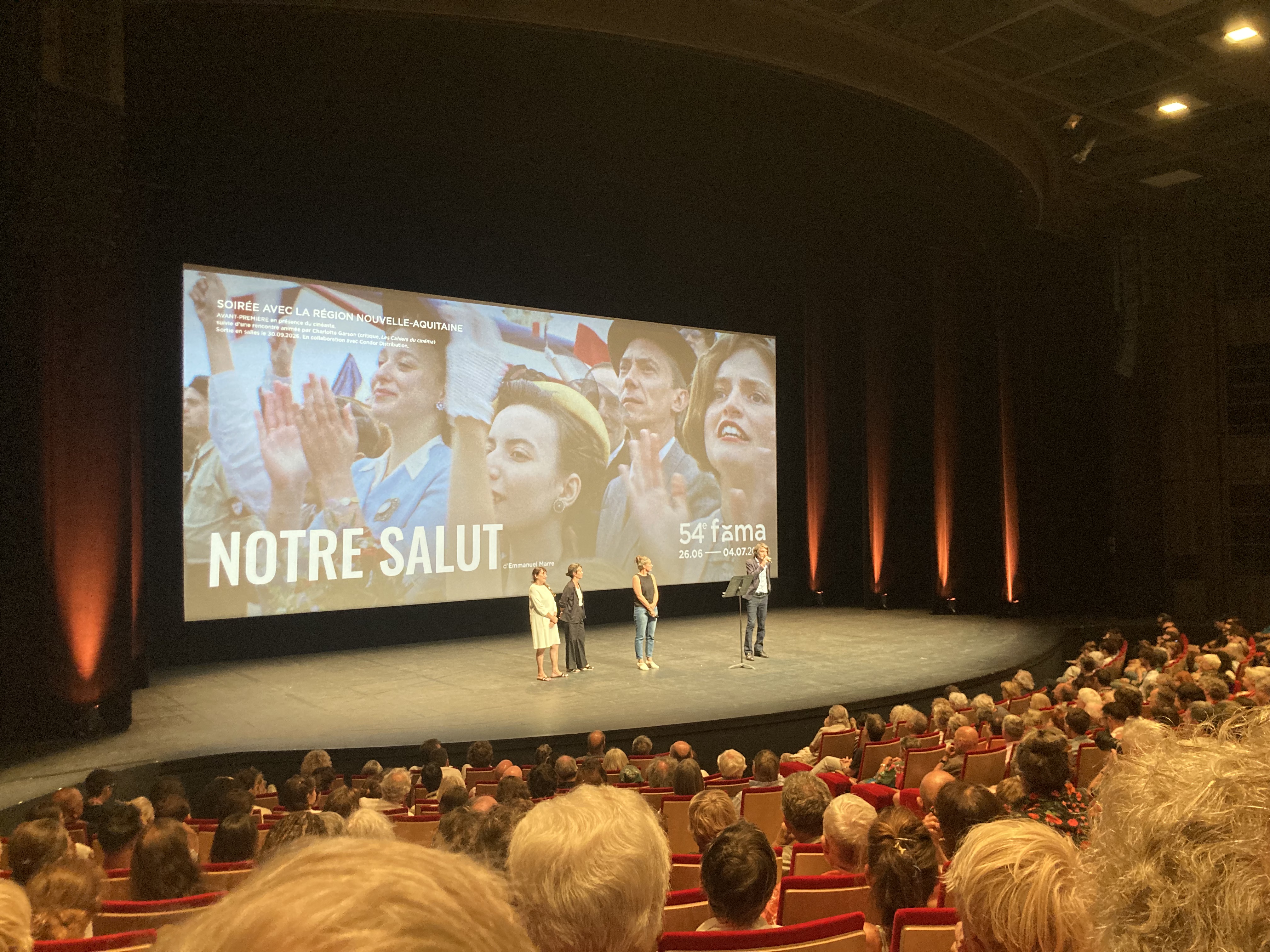
We had the opportunity to hear from both directors during Q&A sessions, giving us a glimpse into their creative processes and the hurdles inherent to filmmaking.
Those hurdles extended beyond production itself, given the controversial historical and political territory both stories explore.
A final dose of existentialism.
When in France, we could not leave without some existentialism.
Our cinematic Rochelaise attendance concluded with No Country for Old Men, screened as part of the festival’s Javier Bardem retrospective.
The Coen brothers’ masterful adaptation of Cormac McCarthy’s novel is hardly a hidden gem. It cemented Bardem on the international stage and further confirmed the Coens’ stature as two of modern cinema’s most distinctive filmmakers.
Fed in every sense.
La Rochelle was a nourishing experience filled with galettes, crêpes, cider and great films.